
Rosacea: Understanding the Condition and Treatment Options
Rosacea is a common but often misunderstood skin condition that affects millions of people worldwide. It typically appears as persistent redness across the cheeks, nose, chin, or forehead, and may also involve visible blood vessels, sensitivity, and acne-like breakouts. Although rosacea is a chronic condition, the good news is that it can be effectively managed with the right treatments and skincare approach.
As a cosmetic nurse, I frequently see clients who feel frustrated or self-conscious about their rosacea symptoms. Understanding what rosacea is and how we can treat it is the first step toward calmer, healthier skin.
What Is Rosacea?
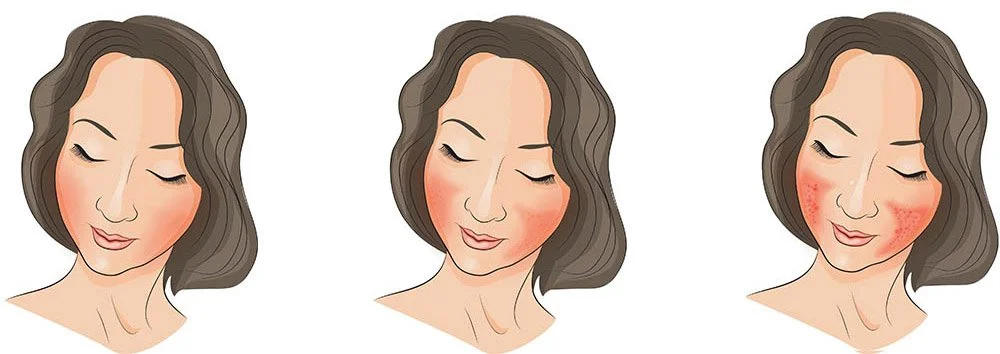
Rosacea is a chronic inflammatory skin condition that causes flushing, redness, visible blood vessels, and sometimes bumps or pustules on the face. Symptoms often flare up for periods of time and then settle before returning again.
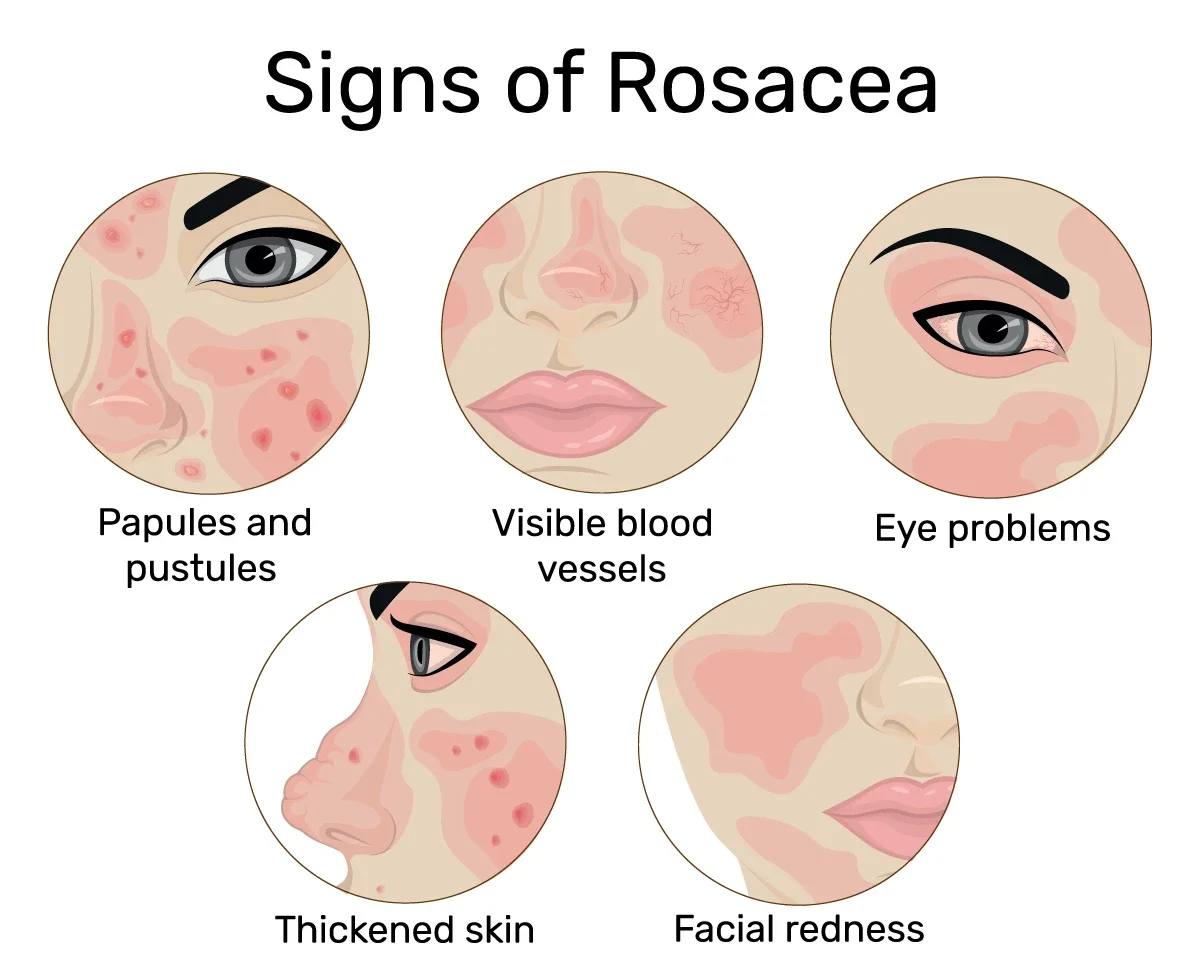
Common symptoms include:
Persistent facial redness or flushing.
Visible capillaries (often called “broken veins”).
Acne-like bumps or pustules.
Skin sensitivity or burning sensation.
Dry, irritated, or swollen skin.
In some cases, rosacea can also affect the eyes (ocular rosacea) or cause thickening of the skin on the nose over time.
What Triggers Rosacea?
Rosacea flare-ups can be triggered by a variety of lifestyle and environmental factors. Everyone’s triggers can be slightly different, but common ones include:
Sun exposure.
Heat or extreme weather.
Spicy foods.
Alcohol.
Hot drinks.
Stress.
Harsh skincare products.
Learning your personal triggers is an important part of controlling rosacea and preventing flare-ups.
Treatments Available for Rosacea
While rosacea cannot currently be cured, there are several effective treatments that can significantly reduce redness, inflammation, and breakouts.
1. Medical-Grade Skincare with Mesoestetic
A gentle, targeted skincare routine is one of the most important foundations for managing rosacea. In clinic, I often recommend products from the Mesoestetic range, which are formulated to support sensitive and reactive skin while strengthening the skin barrier.
For rosacea-prone skin, suitable options may include:
Mesoestetic Hydracream Fusion Cleanser – a gentle cleanser that removes impurities while maintaining hydration.
Mesoestetic Couperend Cream – designed to help calm redness and support fragile capillaries.
Mesoestetic Fast Skin Repair – helps soothe irritation and strengthen the skin barrier.
Mesoestetic Mesoprotech Mineral SPF 50+ – a mineral sunscreen that protects sensitive skin from UV damage.
Using calming, barrier-supporting products like these can help reduce irritation, strengthen the skin barrier, and minimise rosacea flare-ups.
2. Prescription Topical Treatments
Dermatologists may prescribe topical creams or gels to help reduce redness, inflammation, and breakouts.
Common treatments include:
Azelaic acid.
Metronidazole.
Ivermectin.
These medications help control inflammation and can significantly improve rosacea symptoms over time.
3. Professional Skin Peels
When it comes to rosacea, skin peels need to be approached with care, but when prescribed correctly, they can be incredibly beneficial. At Future Face Clinics, we utilise gentle, barrier-supportive peels (such as mandelic or lactic-based formulations) to help reduce inflammation, improve skin texture, and support overall skin function without over-stimulating the skin.
These peels work by encouraging controlled cell turnover, strengthening the skin barrier, and helping to calm persistent redness over time. The key is selecting the right peel, at the right strength, and at the right time, ensuring the skin is supported rather than stripped. When combined with the correct home care, skin peels can play an important role in managing rosacea and improving overall skin resilience.
4. LED Light Therapy
LED light therapy is a gentle and non-invasive treatment option that can be very beneficial for rosacea-prone skin. It works by delivering specific wavelengths of light to the skin to help calm inflammation and support skin healing.
For rosacea, red and near-infrared LED light are commonly used to:
Reduce inflammation and redness.
Support skin healing and repair.
Improve overall skin comfort.
Strengthen the skin barrier.
LED treatments are painless, relaxing, and suitable for sensitive skin types. A series of treatments is usually recommended to achieve the best results, with maintenance sessions helping to keep flare-ups under control.
Managing Rosacea Long-Term
Successful rosacea management usually involves a combination of:
Medical-grade skincare tailored for sensitive skin.
Identifying and avoiding personal triggers.
Professional treatments when required.
Daily sun protection.
With the right treatment plan, many people experience significant improvement in redness, flare-ups, and overall skin comfort.
Final Thoughts from Nurse Shell
Rosacea can be frustrating, but it is a very manageable condition with the right support and treatment plan. If you’re experiencing persistent redness, sensitivity, or acne-like breakouts that don’t respond to traditional acne treatments, it may be worth seeking professional advice.
A personalised consultation can help identify your triggers and determine the most effective treatments for your skin, helping you achieve a calmer, healthier complexion and feel more confident in your skin.
