
Acne: Understanding the Causes and Treatment Options
Acne is one of the most common skin conditions, affecting teenagers and adults alike. While it is often associated with adolescence, many people continue to experience acne well into adulthood. Acne can impact not only the skin but also confidence and self-esteem.
As a cosmetic nurse, I see many clients who feel frustrated by persistent breakouts or acne that doesn’t respond to over-the-counter products. The good news is that with the right treatment plan, acne can be effectively managed and the skin can be restored to a clearer, healthier state.
What Is Acne?
Acne occurs when hair follicles become clogged with oil (sebum), dead skin cells, and bacteria. This blockage can lead to different types of lesions forming on the skin.
Common types of acne include:
Blackheads – open pores clogged with oil and dead skin cells.
Whiteheads – closed clogged pores beneath the skin.
Papules – small red, inflamed bumps.
Pustules – inflamed pimples containing pus.
Nodules or cysts – deeper, more painful lumps beneath the skin.
Acne most commonly appears on the face, chest, shoulders, and back, where oil glands are more active.
What Causes Acne?
Several factors contribute to acne development, and often more than one factor is involved.
Common causes include:
Excess oil production.
Hormonal changes.
Bacteria within the pores.
Dead skin cell build-up.
Genetics.
Stress.
Certain medications.
Comedogenic skincare or makeup products.
Lifestyle factors such as poor skincare routines, touching the face frequently, or picking at breakouts can also worsen acne and increase the risk of scarring.
Treatments Available for Acne
Acne treatment often requires a personalised approach depending on the severity of the condition, skin type, and underlying causes.
1. Medical-Grade Skincare with Mesoestetic
A consistent skincare routine is essential for managing acne. In clinic, I often recommend products from theMesoestetic range, particularly the Blemiderm line, which is designed to target acne-prone skin.
Recommended options may include:
Mesoestetic Blemiderm Purifying Mousse – a gentle cleanser that helps remove excess oil and impurities.
Mesoestetic Blemiderm Resurfacing Gel – helps exfoliate the skin and prevent clogged pores.
Mesoestetic Blemiderm Treatment – designed to help regulate oil production and reduce breakouts.
Mesoestetic Mesoprotech Oil Control SPF 50+ – lightweight sun protection suitable for acne-prone skin.
Using targeted skincare can help regulate oil production, reduce congestion, and support overall skin health.
2. Skin Peel Treatments
When it comes to treating acne, skin peels are one of my favourite ways to support the skin, because they’re not just a “quick fix”, they’re working on the cause, not just the symptoms.
At Future Face Clinics, we offer a range of mesoestetic skin peels that are specifically selected based on your skin type, acne grade, and overall skin goals. No two acne journeys are the same, so your peel is always prescribed, not picked.
For acne-prone skin, we often work with targeted peels that help to:
Reduce excess oil production.
Decongest pores and prevent breakouts.
Calm inflammation and redness.
Support skin renewal and healing.
Improve post-acne pigmentation over time.
Peels like salicylic-based, mandelic, and blemiskin formulations are commonly used, depending on how active or sensitive the skin is. The goal is to treat the acne safely, while also strengthening the skin so it can function properly long term.
The key with acne is consistency and strategy. When we pair the right in-clinic peel with a customised home care plan, that’s when we start to see real change in the skin.
3. Oral Medications
In more persistent or severe cases, oral medications may be recommended.
These may include:
Oral antibiotics to reduce inflammation and bacteria.
Hormonal treatments for hormonally driven acne.
Other medical therapies prescribed by a doctor or dermatologist.
These treatments are usually combined with professional skincare for the best results.
4. LED Light Therapy
LED light therapy is a gentle and non-invasive treatment that can help improve acne.
Different wavelengths of light target different concerns:
Blue LED light helps kill acne-causing bacteria.
Red LED light helps reduce inflammation and support healing.
LED therapy can help calm active breakouts, reduce redness, and support skin recovery. A course of treatments is usually recommended to achieve optimal results.
Preventing Acne and Supporting Clear Skin
While acne cannot always be completely prevented, certain habits can help keep breakouts under control:
Maintain a consistent skincare routine.
Use non-comedogenic skincare and makeup.
Avoid picking or squeezing pimples.
Clean makeup brushes regularly.
Manage stress where possible.
Protect the skin with daily sunscreen.
Consistency is key when managing acne, and results often take several weeks to become noticeable.
Final Thoughts from Nurse Richele
Acne can be challenging, but it is a very treatable condition with the right combination of skincare, professional treatments, and medical support when needed.
If you are struggling with persistent breakouts or acne that isn’t improving with standard products, a professional skin consultation can help identify the underlying causes and create a personalised treatment plan.
With the right guidance and treatment approach, clearer, healthier skin is absolutely achievable.
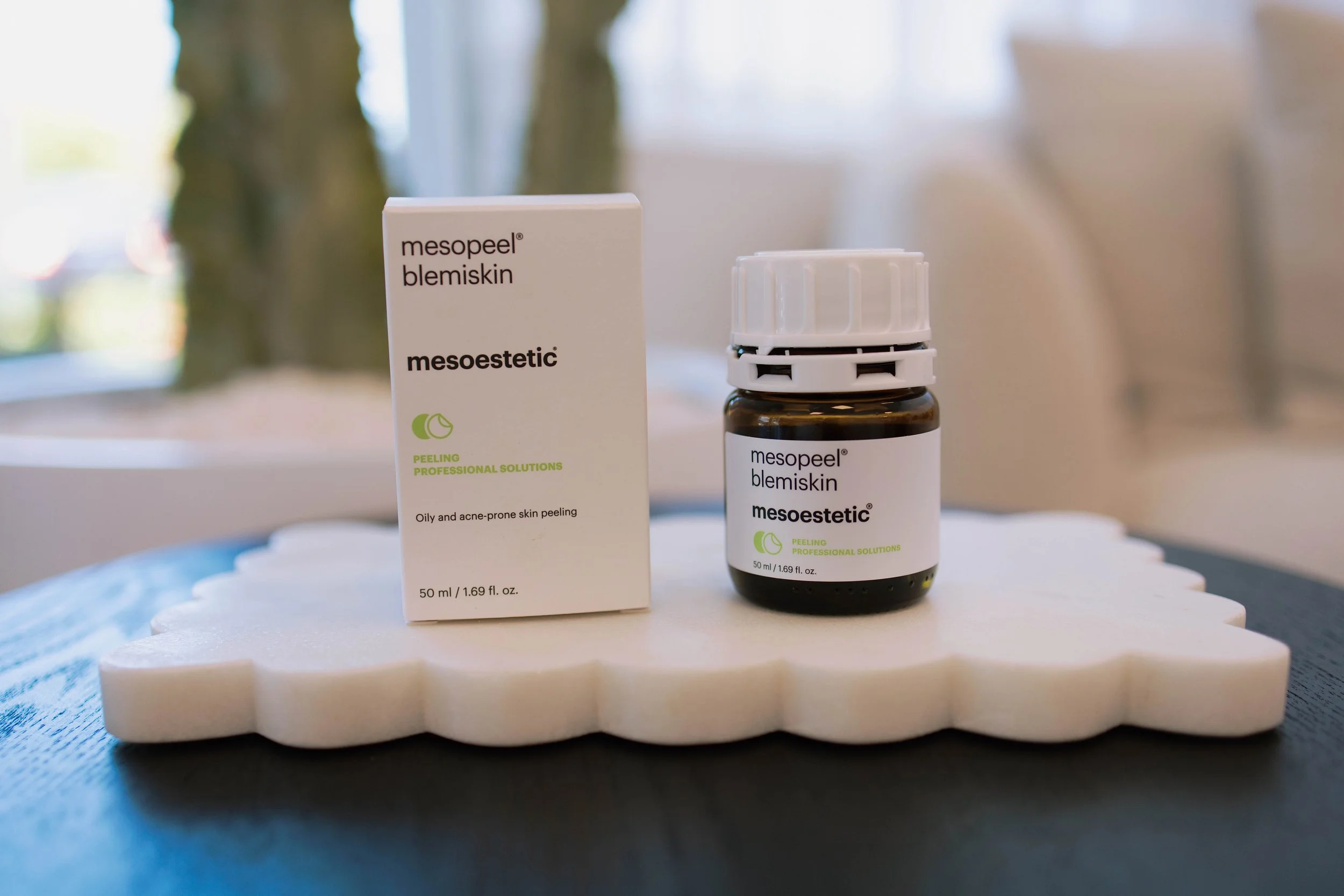
Blemiskin Peel
The Blemiskin Peel is specifically designed for acne-prone and inflamed skin, working to reduce active breakouts while calming redness and irritation. It helps to decongest the skin, regulate oil production, and support the healing process, making it a great option for clients experiencing ongoing acne who need a balanced approach that treats without over-stripping the skin.

Salicylic Acid Peel
The Salicylic Acid Peel is a powerful option for more congested or oily skin types, as it penetrates deep into the pores to dissolve excess sebum and built-up debris. This makes it particularly effective for blackheads, congestion, and more persistent acne, helping to refine pore appearance and prevent future breakouts while promoting a clearer, smoother complexion over time.
